Lease vs Buy in California: Why Smart Californians Lease in an Uncertain Market

Written By

Peter C. Smith

Published

Feb 16, 2026

Professional California couple reviewing finances at home with SUV in driveway

California car buyers face a fundamentally different vehicle landscape than even ten years ago: more complexity, more tech, more potential repair exposure, and rapidly evolving depreciation dynamics.

In this environment, leasing is not just a payment strategy — for many busy professionals and dual-income households, it’s a risk-management and optionality strategy. When structured correctly, leasing delivers budget predictability without locking you into long-term financial exposure.


This article explains why smart Californians lease, when it makes sense — and when it doesn’t — while tying those insights to real-world decisions and your vehicle goals.


1. How Modern Vehicles Changed the Math


Vehicles today are dramatically more complex than they were even 10–15 years ago. Beyond traditional mechanical parts, modern cars now include layers of software, sensors, and advanced driver-assistance systems that:


  • Increase repair complexity and labor costs

  • Expand the range of potential failure points

  • Demand specialized diagnostics and tools


This means out-of-warranty repairs are more expensive and unpredictable. A task that once cost a few hundred dollars — like a tail lamp — can now include sensors or radar hardware and cost thousands.


Couple that with tighter packaging in modern engine bays, sophisticated multi-gear transmissions, and turbocharged engines running at higher stresses, and you have a larger range of expensive failure modes. Predicting ownership cost with precision becomes harder.


This context sets the stage for understanding optionality and risk transfer, especially as households balance time, budget, and uncertainty.


2. What Leasing Actually Does: Optionality and Predictability

Leasing is fundamentally a form of optional ownership:

  • You pay only for the portion of the vehicle you use

  • You stay under the manufacturer’s bumper-to-bumper warranty

  • You avoid long-term depreciation risk and major repairs


This structure is inherently different than traditional ownership through a long loan, where you are fully exposed to market depreciation and repair costs once warranties expire.


When you lease, you preserve flexibility:


  • You can return the vehicle at lease end

  • You can upgrade or modify your vehicle sooner

  • You avoid being “upside down” when life circumstances change


It’s similar to having the right, but not the obligation to own the vehicle at a future price, with the residual value set upfront, reducing unpredictable outcomes.


3. California’s Unique Tax Environment — Why It Matters


California’s high sales tax environment creates another structural factor in lease decisions:


  • Buying a vehicle triggers tax on the entire purchase price

  • Leasing taxes only the portion you actually use — the monthly payment portion


This means if you change vehicles every 3–4 years, leasing can reduce your cumulative tax burden compared with purchasing and trading repeatedly.


This tax nuance is a distinct California advantage for leasing that many buyers overlook.

Calculating and Considering California Sales Tax for Car Purchase


4. When Leasing Makes Sense in California


Leasing tends to be especially compelling when several conditions align:


  • You value predictable monthly costs

  • You prefer staying under warranty for most of the term

  • You plan to change vehicles every 3–5 years

  • You aim to manage risk (depreciation, repair inflation)

  • You live in a high-tax state like California


Leasing also plays well with more volatile segments of the market — especially electric vehicles — because it transfers much of the depreciation risk associated with rapid technology changes to the lender.


For a deeper dive into structuring leases and understanding current programs, see our Explore CarOracle’s Auto Leasing Program


5. When Leasing May Not Make Sense


Leasing is not always superior. It may not be the best fit if:


  • You tend to keep vehicles for 8–10+ years

  • You drive very high annual mileage

  • You strongly prefer long-term ownership

  • You want to build equity or sell later


If these conditions align with your situation, purchasing may still be the right choice — and our Auto Buying Program explained is tailored to help you evaluate that with precision.


6. Choosing the Right Strategy: Leasing, Buying, or Something In-Between

Vehicles aren’t all the same, and neither are lease programs.

Some manufacturers deliver strong lease structures with high residuals and attractive incentives. Others offer purchase programs that may be more favorable. It’s about evaluating each opportunity with context, not assuming one approach always wins.


For help understanding different approaches in California — including how to choose between services and auto broker models — see our 2026 Guide to California Auto Buying Services and How to Choose an Auto Broker.

7. Smart End-of-Lease Planning

Leasing isn’t just about the term — it’s also about the end:

  • You can return the vehicle

  • You can extend the lease

  • You can purchase the vehicle

  • You can explore manufacturer pull-ahead incentives

End-of-lease decisions are nuanced and can affect your next step. For more detail, check our article on Understanding Your Lease‑End Options in California.


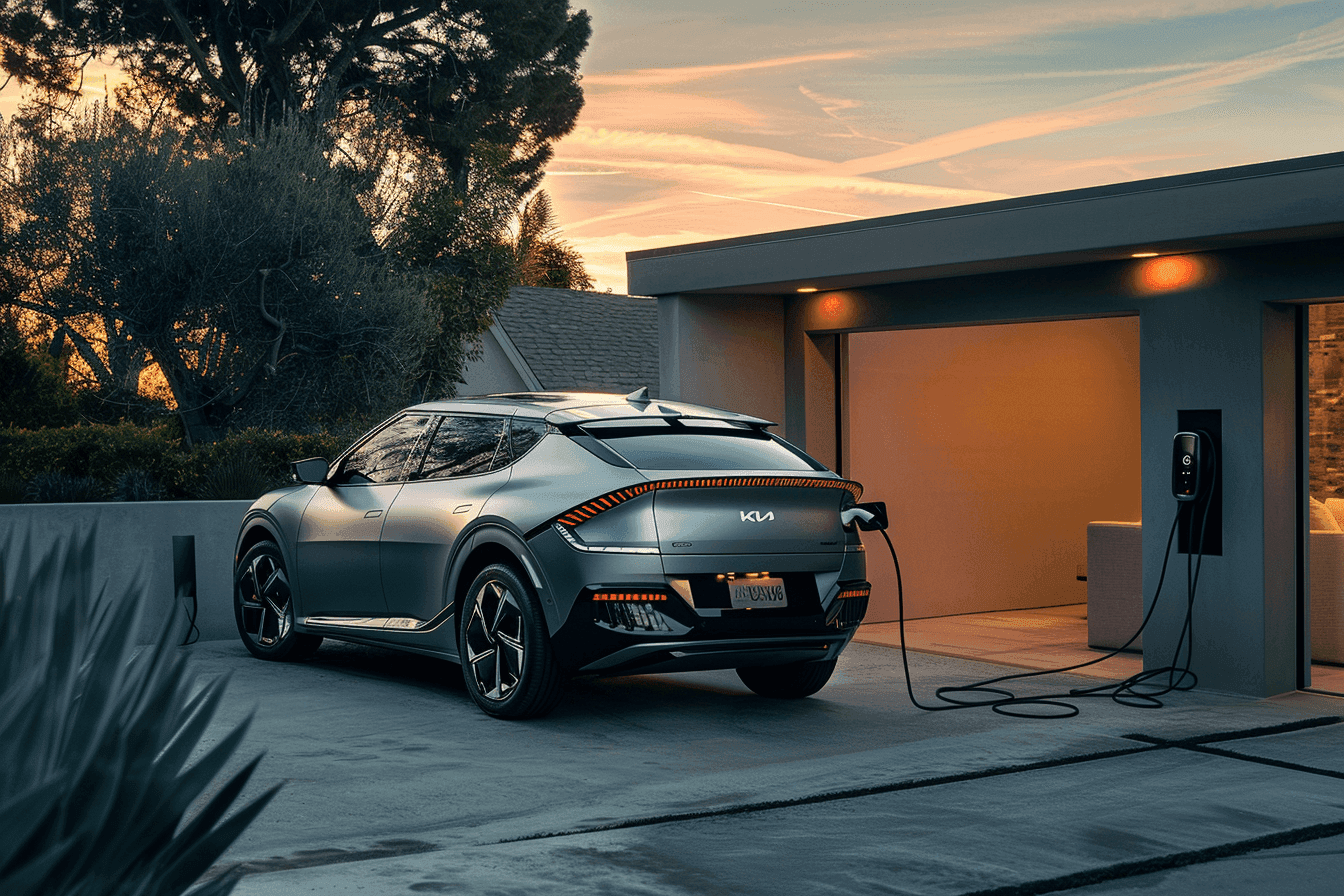
KIA EV6 charging at home in California


Conclusion


There is no one-size-fits-all answer on whether leasing is better than buying. But in California’s complex tax, tech, and depreciation environment, leasing delivers a unique combination of optionality, budget predictability, and risk management that many busy professionals find appealing.


If you want help interpreting your situation and aligning your acquisition strategy with your goals — whether that’s leasing, buying, or a hybrid approach — our consultative process is designed precisely for that.


Whether you’re evaluating incentives, residuals, manufacturer programs, or sales tax effects, a thoughtful strategy beats a default.


Frequently Asked Questions: Lease vs Buy in California


Is it better to lease or buy a car in California?


There is no universal answer. Leasing can offer more flexibility and predictable costs, especially in California’s high-tax environment and rapidly evolving vehicle market. Buying may make more sense if you plan to keep the vehicle for 8–10 years or longer. The right decision depends on your ownership timeline, mileage, and tolerance for long-term repair risk.


Why do many Californians choose to lease instead of buy?


Many California drivers lease because it provides optionality. A lease allows you to return the vehicle at the end of the term instead of being locked into long loan commitments or facing negative equity if your needs change. Leasing also keeps most drivers under the manufacturer’s warranty for the majority of the term.


How does California sales tax affect leasing vs buying?


When you buy a car in California, you pay sales tax on the full purchase price upfront. When you lease, you pay sales tax only on the monthly payment portion rather than the full MSRP. For drivers who change vehicles every few years, this structure can reduce cumulative tax exposure.


Does leasing protect against depreciation?

Leasing shifts much of the depreciation risk to the lender because the residual value is predetermined at the start of the contract. If the market softens or resale values drop unexpectedly, the leasing company absorbs that risk — not you.


Are modern cars more expensive to repair than older vehicles?


In many cases, yes. Today’s vehicles include advanced electronics, sensors, turbocharged engines, multi-speed transmissions, and integrated safety systems. These components increase repair complexity and labor costs, especially once the vehicle is out of warranty. Leasing limits exposure to these long-term repair risks.


When does leasing make the most sense in California?


Leasing often makes sense if:


  • You value predictable monthly expenses

  • You prefer driving newer vehicles every 3–5 years

  • You want to stay under factory warranty

  • You live in a high sales tax state like California

  • You want flexibility in case your lifestyle changes


When is buying a car the better option?


Buying may be the better choice if:


  • You plan to keep the vehicle long term

  • You drive high annual mileage

  • You prefer ownership regardless of financial structure

  • The manufacturer offers strong purchase incentives compared to lease programs


Is leasing a good strategy for electric vehicles in California?


Leasing can be particularly attractive for electric vehicles because EV technology and pricing are evolving rapidly. Leasing helps protect against unexpected resale value shifts tied to technology improvements, battery advancements, or manufacturer price changes.


Can you negotiate a car lease in California?


Yes. Lease terms such as selling price, money factor, and incentives can often be negotiated. Understanding how a lease is structured is critical to determining whether it represents good value.


How do I decide between leasing and buying?


Start by evaluating how long you plan to keep the vehicle, your annual mileage, your repair risk tolerance, and whether flexibility matters to you. A consultative approach — rather than defaulting to one option — typically produces the best outcome.

ON THIS PAGE

Smart Shopper Insights FAQs

What should I look for during a pre-purchase inspection?

A pre-purchase inspection should cover the vehicle's mechanical condition, appearance, and safety features. On the exterior, look for signs of damage or rust, and inside, check for wear and tear, and the condition of the tires. Under the hood, look for any signs of leaks, the condition of hoses and belts, and the state of the fluids. Ideally, a trusted mechanic should conduct a comprehensive inspection, including putting the vehicle on a lift to check the undercarriage, suspension, and to detect any potential leaks or undisclosed damage from an accident. They should also inspect the engine, transmission, brakes, and steering systems, verify the function of warning lights, and take note of any that come on after starting the engine. Finally, a test drive is an essential step to evaluate the car's handling, braking, and overall performance.

What should I look for during a pre-purchase inspection?

A pre-purchase inspection should cover the vehicle's mechanical condition, appearance, and safety features. On the exterior, look for signs of damage or rust, and inside, check for wear and tear, and the condition of the tires. Under the hood, look for any signs of leaks, the condition of hoses and belts, and the state of the fluids. Ideally, a trusted mechanic should conduct a comprehensive inspection, including putting the vehicle on a lift to check the undercarriage, suspension, and to detect any potential leaks or undisclosed damage from an accident. They should also inspect the engine, transmission, brakes, and steering systems, verify the function of warning lights, and take note of any that come on after starting the engine. Finally, a test drive is an essential step to evaluate the car's handling, braking, and overall performance.

What should I look for during a pre-purchase inspection?

A pre-purchase inspection should cover the vehicle's mechanical condition, appearance, and safety features. On the exterior, look for signs of damage or rust, and inside, check for wear and tear, and the condition of the tires. Under the hood, look for any signs of leaks, the condition of hoses and belts, and the state of the fluids. Ideally, a trusted mechanic should conduct a comprehensive inspection, including putting the vehicle on a lift to check the undercarriage, suspension, and to detect any potential leaks or undisclosed damage from an accident. They should also inspect the engine, transmission, brakes, and steering systems, verify the function of warning lights, and take note of any that come on after starting the engine. Finally, a test drive is an essential step to evaluate the car's handling, braking, and overall performance.

What does a rebuilt title or branded title mean?

A rebuilt or branded title indicates that a vehicle has suffered significant damage in the past and was deemed a total loss by an insurance company. This damage might have been due to a collision, flood, or other serious incidents. After the damage, the vehicle was repaired and inspected to ensure it met certain roadworthiness standards. However, understanding the extent of the damage and the quality of repairs is vital as structural deficiencies can be challenging to detect with a visual inspection alone. A branded title can significantly affect a vehicle's value and its potential for future resale. Therefore, it's vital to thoroughly inspect and understand a vehicle's repair history before making a purchase.

What does a rebuilt title or branded title mean?

A rebuilt or branded title indicates that a vehicle has suffered significant damage in the past and was deemed a total loss by an insurance company. This damage might have been due to a collision, flood, or other serious incidents. After the damage, the vehicle was repaired and inspected to ensure it met certain roadworthiness standards. However, understanding the extent of the damage and the quality of repairs is vital as structural deficiencies can be challenging to detect with a visual inspection alone. A branded title can significantly affect a vehicle's value and its potential for future resale. Therefore, it's vital to thoroughly inspect and understand a vehicle's repair history before making a purchase.

What does a rebuilt title or branded title mean?

A rebuilt or branded title indicates that a vehicle has suffered significant damage in the past and was deemed a total loss by an insurance company. This damage might have been due to a collision, flood, or other serious incidents. After the damage, the vehicle was repaired and inspected to ensure it met certain roadworthiness standards. However, understanding the extent of the damage and the quality of repairs is vital as structural deficiencies can be challenging to detect with a visual inspection alone. A branded title can significantly affect a vehicle's value and its potential for future resale. Therefore, it's vital to thoroughly inspect and understand a vehicle's repair history before making a purchase.

Are service records really that important when looking at a used car?

Absolutely, service records are crucial when considering a used vehicle. They provide a detailed history of the maintenance and repairs the car has undergone, giving insight into how well it has been taken care of. Regular maintenance not only improves a vehicle's performance but also extends its life. Observing diligent maintenance intervals also offers insight into the previous owner's responsibility and commitment to vehicle upkeep. If a vehicle lacks service records, it might be challenging to determine its actual condition and if critical maintenance tasks were performed as needed.

Are service records really that important when looking at a used car?

Absolutely, service records are crucial when considering a used vehicle. They provide a detailed history of the maintenance and repairs the car has undergone, giving insight into how well it has been taken care of. Regular maintenance not only improves a vehicle's performance but also extends its life. Observing diligent maintenance intervals also offers insight into the previous owner's responsibility and commitment to vehicle upkeep. If a vehicle lacks service records, it might be challenging to determine its actual condition and if critical maintenance tasks were performed as needed.

Are service records really that important when looking at a used car?

Absolutely, service records are crucial when considering a used vehicle. They provide a detailed history of the maintenance and repairs the car has undergone, giving insight into how well it has been taken care of. Regular maintenance not only improves a vehicle's performance but also extends its life. Observing diligent maintenance intervals also offers insight into the previous owner's responsibility and commitment to vehicle upkeep. If a vehicle lacks service records, it might be challenging to determine its actual condition and if critical maintenance tasks were performed as needed.

AutoCheck vs. CarFax: Is one better than the other?

Both AutoCheck and CarFax provide detailed information about a vehicle's history, though they source their data differently. CarFax is known for its comprehensive service and maintenance records and is extensively used by dealerships. In contrast, AutoCheck, owned by Experian, uses a unique scoring system that helps buyers understand a vehicle's condition at a glance. Depending on your specific needs and the level of detail you're looking for, you might prefer one over the other.


AutoCheck vs. CarFax: Is one better than the other?

Both AutoCheck and CarFax provide detailed information about a vehicle's history, though they source their data differently. CarFax is known for its comprehensive service and maintenance records and is extensively used by dealerships. In contrast, AutoCheck, owned by Experian, uses a unique scoring system that helps buyers understand a vehicle's condition at a glance. Depending on your specific needs and the level of detail you're looking for, you might prefer one over the other.


AutoCheck vs. CarFax: Is one better than the other?

Both AutoCheck and CarFax provide detailed information about a vehicle's history, though they source their data differently. CarFax is known for its comprehensive service and maintenance records and is extensively used by dealerships. In contrast, AutoCheck, owned by Experian, uses a unique scoring system that helps buyers understand a vehicle's condition at a glance. Depending on your specific needs and the level of detail you're looking for, you might prefer one over the other.


Are autobrokers the equivalent of real estate agents?

Auto brokers and real estate agents both serve as intermediaries in their respective fields, offering similar services that streamline and facilitate transactions for buyers. Here's a closer look at the parallels:

  • Advocacy and Representation: Both professionals advocate for your interests, finding options that match your preferences and budget.

  • Negotiation Skills: They negotiate terms on your behalf to secure advantageous deals, from price to financing.

  • Market Insight: With specialized knowledge of their markets, they guide you to make informed decisions.

  • Time-Saving: They manage the complexities of transactions to save you time and effort.

  • Compensation Structure: In many cases, just like real estate agents, auto brokers' fees are paid by the seller, which means their services can often come at no direct cost to the buyer.

An important distinction to note is the regulatory environment. In California, auto brokers are required to have a dealer license issued by the state, similar to real estate agents who must be licensed to operate. This ensures that they adhere to stringent standards of professionalism and ethical conduct, undergo thorough background checks, and comply with specific transaction codes that govern vehicle sales within the state. While the same level of regulation may not apply to auto brokers in other states, many still operate with a strong commitment to honesty and transparency.

When you work with a licensed auto broker in California, you're engaging with a professional who has met all the necessary requirements to legally and ethically conduct car sales, akin to the rigorous process real estate agents go through for licensure. This not only underscores the credibility of the broker but also provides you with added assurance that your transaction adheres to all state laws and regulations.

Are autobrokers the equivalent of real estate agents?

Auto brokers and real estate agents both serve as intermediaries in their respective fields, offering similar services that streamline and facilitate transactions for buyers. Here's a closer look at the parallels:

  • Advocacy and Representation: Both professionals advocate for your interests, finding options that match your preferences and budget.

  • Negotiation Skills: They negotiate terms on your behalf to secure advantageous deals, from price to financing.

  • Market Insight: With specialized knowledge of their markets, they guide you to make informed decisions.

  • Time-Saving: They manage the complexities of transactions to save you time and effort.

  • Compensation Structure: In many cases, just like real estate agents, auto brokers' fees are paid by the seller, which means their services can often come at no direct cost to the buyer.

An important distinction to note is the regulatory environment. In California, auto brokers are required to have a dealer license issued by the state, similar to real estate agents who must be licensed to operate. This ensures that they adhere to stringent standards of professionalism and ethical conduct, undergo thorough background checks, and comply with specific transaction codes that govern vehicle sales within the state. While the same level of regulation may not apply to auto brokers in other states, many still operate with a strong commitment to honesty and transparency.

When you work with a licensed auto broker in California, you're engaging with a professional who has met all the necessary requirements to legally and ethically conduct car sales, akin to the rigorous process real estate agents go through for licensure. This not only underscores the credibility of the broker but also provides you with added assurance that your transaction adheres to all state laws and regulations.

Are autobrokers the equivalent of real estate agents?

Auto brokers and real estate agents both serve as intermediaries in their respective fields, offering similar services that streamline and facilitate transactions for buyers. Here's a closer look at the parallels:

  • Advocacy and Representation: Both professionals advocate for your interests, finding options that match your preferences and budget.

  • Negotiation Skills: They negotiate terms on your behalf to secure advantageous deals, from price to financing.

  • Market Insight: With specialized knowledge of their markets, they guide you to make informed decisions.

  • Time-Saving: They manage the complexities of transactions to save you time and effort.

  • Compensation Structure: In many cases, just like real estate agents, auto brokers' fees are paid by the seller, which means their services can often come at no direct cost to the buyer.

An important distinction to note is the regulatory environment. In California, auto brokers are required to have a dealer license issued by the state, similar to real estate agents who must be licensed to operate. This ensures that they adhere to stringent standards of professionalism and ethical conduct, undergo thorough background checks, and comply with specific transaction codes that govern vehicle sales within the state. While the same level of regulation may not apply to auto brokers in other states, many still operate with a strong commitment to honesty and transparency.

When you work with a licensed auto broker in California, you're engaging with a professional who has met all the necessary requirements to legally and ethically conduct car sales, akin to the rigorous process real estate agents go through for licensure. This not only underscores the credibility of the broker but also provides you with added assurance that your transaction adheres to all state laws and regulations.

Latest Insights

Latest Insights

Latest Insights

CarOracle Logo

CarOracle is a California Licensed Auto Buying Service and dealer (License No. 43082). All new vehicles arranged for sale are subject to price and availability from the selling franchised new car dealer.

Schedule a Consultation

©2026 CarOracle. All rights reserved

CarOracle Logo

CarOracle is a California Licensed Auto Buying Service and dealer (License No. 43082). All new vehicles arranged for sale are subject to price and availability from the selling franchised new car dealer.

Schedule a Consultation

©2026 CarOracle. All rights reserved

CarOracle Logo

CarOracle is a California Licensed Auto Buying Service and dealer (License No. 43082). All new vehicles arranged for sale are subject to price and availability from the selling franchised new car dealer.

Schedule a Consultation

©2026 CarOracle. All rights reserved