How to Buy a Car Without Negotiating in California
Written By
Published

Fixed-price retailers like CarMax and Carvana remove the negotiation, but their margins are built into the price. Here's what California buyers should know before choosing.
A Consumer Guide to One of the Largest Financial Decisions Most Households Make
Buying a car, like a home, are similar in that both are purchased with a degree of negotiation.
Unlike electronics, airline tickets, or home appliances—where prices are typically posted clearly—the final price of a car may depend on discussions with a salesperson about vehicle price, trade-ins, financing, and add-on products.
For many consumers, this process feels uncomfortable and opaque. Surveys consistently rank the dealership experience among the least pleasant retail transactions.
As a result, a growing number of buyers are looking for ways to buy a car without negotiating at all.
Today, several models promise to remove negotiation from the process. But these approaches operate very differently—and those differences can affect both convenience and price.
Understanding those differences is important when purchasing what is typically the second-largest financial decision most households make, after their home.
The Rising Cost of Vehicle Ownership
The stakes of the car-buying decision have grown significantly over the past decade.
According to pricing data from Kelley Blue Book, the average price paid for a new vehicle in the United States exceeded $50,000 in late 2025, a record level for the industry.
With monthly payments often exceeding $700 and loan terms stretching beyond six years, the purchase of a vehicle is a long-term financial commitment rather than a simple retail transaction.
Why Car Buying Is Structured Around Negotiation
To understand why negotiation exists in the first place, it helps to understand how the auto retail market is structured.
In the United States, automakers typically do not sell vehicles directly to consumers. Instead, they sell vehicles to independent franchised dealerships, which then sell those vehicles to the public.
Because dealerships purchase inventory from manufacturers and carry the financial risk of selling that inventory, they historically have had flexibility in how vehicles are priced.
That flexibility creates room for negotiation around:
vehicle price
trade-in values
financing arrangements
manufacturer incentives
dealer-installed accessories
The result is a transaction that often includes multiple financial components rather than a single posted price.
For experienced negotiators this system can sometimes produce favorable deals. For many buyers, however, it introduces uncertainty.
The Psychology Behind No-Negotiation Buying
The popularity of no-negotiation car buying models is partly explained by behavioral economics.
Researchers have long documented the concept of loss aversion: people experience the pain of losses more strongly than the satisfaction of gains.
Applied to car buying, this means many consumers worry less about achieving the absolute lowest price and more about avoiding the possibility that they paid too much.
In practical terms, many buyers think:
“I don’t want to feel like I lost the negotiation.”
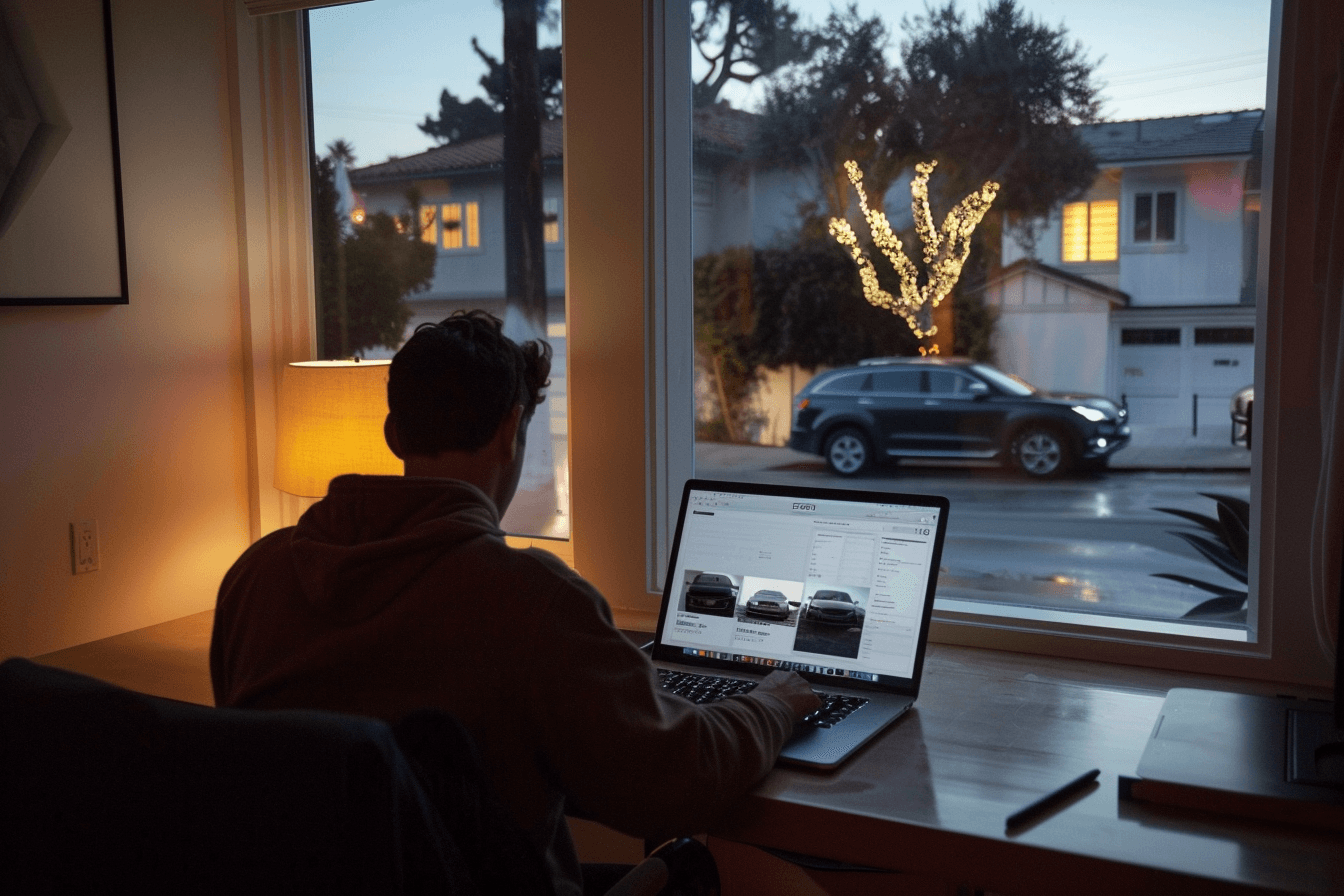
For those consumers, a clearly posted price—even if it includes an increased amount retailer margin—can feel safer than negotiating in an unfamiliar environment.
This psychology has helped fuel the rise of simplified retail models in the auto industry.
The Rise of Fixed-Price Car Retailers
The most visible example of this shift has been the growth of fixed-price used-vehicle retailers such as CarMax and Carvana.
These companies operate using a no-haggle pricing model, meaning the price listed for the vehicle is the price every buyer pays.
The appeal of this approach is straightforward:
clear pricing
faster transactions
no negotiation
consistent customer experience
However, fixed-price retail does not necessarily mean the price is the most competitive. Instead, it represents a trade-off: buyers exchange the opportunity to negotiate for certainty and convenience.
What the Financial Data Shows
Public financial filings provide insight into the economics of these models.
Online used-vehicle retailer Carvana sold 596,641 retail vehicles in 2025, generating $20.3 billion in revenue and about $1.9 billion in net income.
Investors track a metric known as gross profit per unit (GPU), which measures profit generated from each vehicle sold.
Recent disclosures show:
roughly $6,000+ total gross profit per vehicle when financing and other products are included
Another one price used-vehicle retailer, CarMax reported about $2,322 in gross profit per used vehicle in recent financial results.
Large publicly traded dealership groups report much lower used-vehicle front-end margins.
Examples include:
Asbury Automotive Group
Asbury Automotive has reported used-vehicle gross profit per unit generally between about $1,600 and $1,800, depending on quarter and inventory mix.
Group1 Automotive
Group 1 Automotive has historically reported used-vehicle gross profit per unit in the mid-$1,600 range, based on quarterly earnings releases and investor presentations.
Lithia
Lithia reported about $1,767 in average gross profit per used vehicle in a recent quarterly earnings release.
Penske Automotive Group
Penske reported about $1,770 in gross profit per used vehicle in a recent earnings transcript discussing quarterly results.
Sonic Automotive
Sonic Automotive typically reports used-vehicle gross profit per unit around $1,500–$1,700, according to its investor financial disclosures.
Industry Average (public dealership groups)
About $1,642 front-end gross profit per used vehicle according to the Haig Report
These figures are broadly representative of large publicly traded dealership groups, which often generate roughly $1,500–$1,800 in front-end gross profit per used vehicle before financing, warranties, and other products are included.
This compares to Carvana making around $3,000 per used vehicle sold.
These figures highlight a central economic reality of modern car retailing:
Consumers are paying more for simplicity, convenience and price certainty.
This does not necessarily make the model unfair. It reflects a different balance between price discovery and transaction convenience.
Where Dealerships Actually Make Their Money
Another reason the car-buying process can feel complex is that the vehicle price itself is only one component of dealership profitability.
A significant portion of dealership income comes from what the industry calls F&I (Finance and Insurance) products.
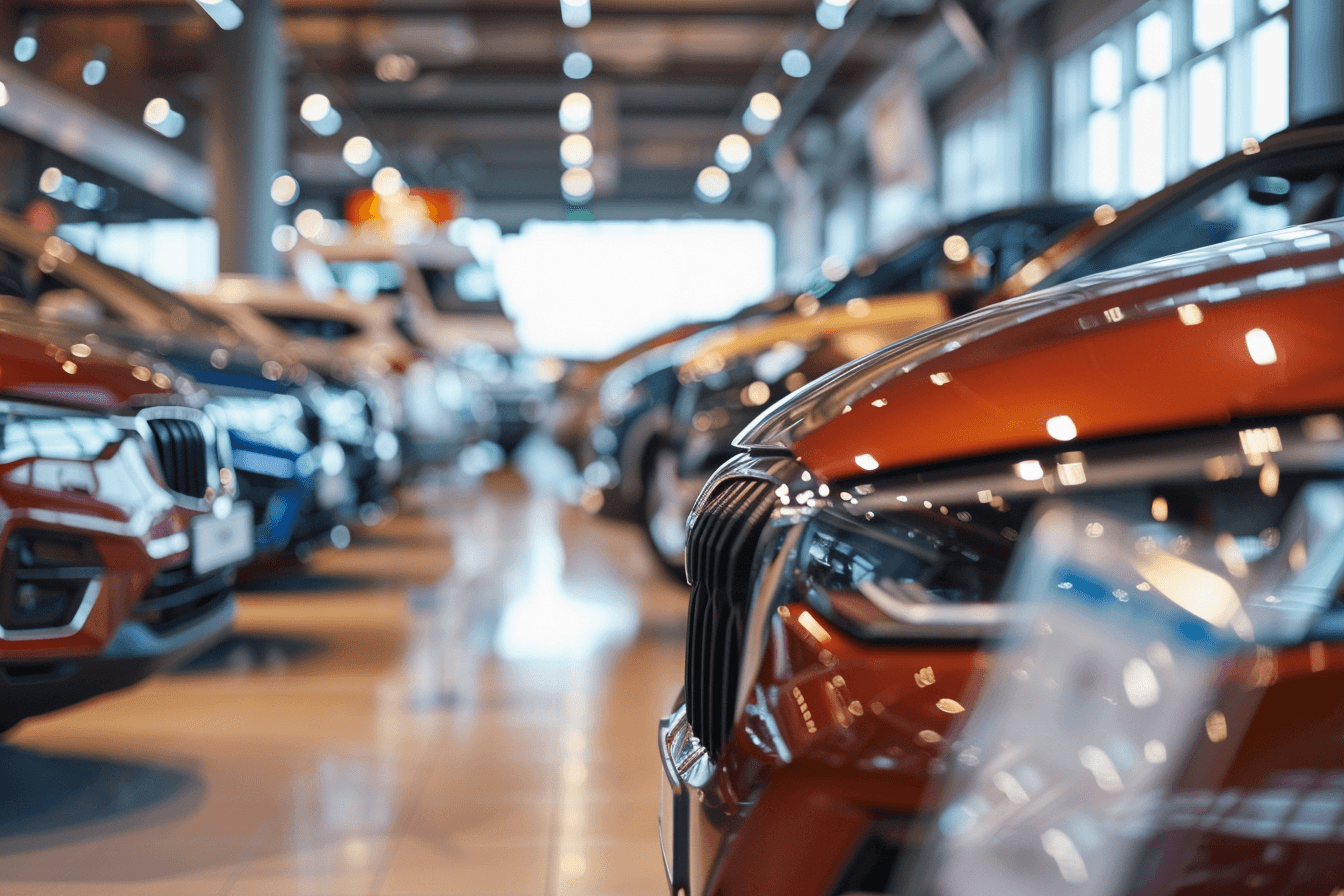
These may include:
financing markups
extended warranties
GAP insurance
prepaid maintenance plans
aftermarket protection products
As noted in the figures in the previous section, dealers earn additional margin by arranging financing through lenders at interest rates slightly higher than the lender’s base rate. This is why Carvana is making roughly $3,000 on vehicle, and then when factoring in financing and insurance, their total gross profit per vehicle transaction reaches $6,000+.
Because these products are typically introduced late in the buying process, many consumers perceive the dealership transaction as unpredictable.
This complexity has also contributed to the growth of simplified purchasing models.
Four Ways Consumers Buy Cars Without Negotiating

Today, consumers generally rely on four approaches when they want to avoid negotiating directly with a dealership.
The key difference between them is who determines the final price.
1. Licensed Auto Buying Services (Buyer Representation)
One approach is working with a licensed auto buying service, which allows consumers to avoid negotiating personally while still benefiting from professional negotiation.
These services represent the buyer rather than the dealership.
Typical services include:
identifying vehicles across multiple dealerships
negotiating pricing and incentives
structuring purchase or lease terms
coordinating paperwork and delivery
Because the service represents the buyer, the process introduces competition between dealers rather than relying on a single seller’s price.
In California, services such as CarOracle, a licensed auto buying service, assist consumers in researching and acquiring vehicles while handling negotiations with dealerships on their behalf.
This model allows buyers to avoid negotiating personally while still benefiting from market competition between sellers.
2. Fixed-Price Used-Vehicle Retailers
Retailers such as CarMax and Carvana sell vehicles at fixed prices with no negotiation.
Advantages include:
predictable pricing
simplified buying process
faster transactions
However, the retailer determines the price entirely, meaning buyers accept whatever margin is embedded in the listing and as noted earlier, this is proving to be more lucrative for the dealers.
3. One-Price Dealer Programs
Some dealership groups have introduced simplified pricing models.
For example, AutoNation introduced a “One Price” strategy for used vehicles, offering cars at non-negotiable prices intended to reduce friction in the sales process.
These programs attempt to combine the simplicity of fixed-price retailers with the infrastructure of traditional dealership networks.
4. Prearranged Pricing Programs
Programs such as the Costco Auto Program connect buyers with participating dealerships offering preset pricing.
These programs simplify the transaction but do not negotiate vehicle prices themselves. Participating dealerships determine the price offered through the program.
The value proposition is convenience and structured pricing rather than independent buyer representation.
Two Ways to Avoid Negotiating
Although these models appear different, they generally fall into two categories.
Accepting a Price Set by the Seller
This includes:
fixed-price retailers
one-price dealership programs
preset pricing programs
These models prioritize simplicity and transparency, but the seller determines the final price.
Having Someone Negotiate on the Buyer’s Behalf
The alternative approach is buyer representation.
Licensed auto buying services allow consumers to avoid negotiating personally while still having a professional negotiate across multiple dealerships.
For consumers who dislike negotiation but still want competitive pricing, this approach attempts to combine convenience with market competition.
Understanding the Full Cost of Buying a Car in California
Regardless of the purchase method, buyers should review the out-the-door price before completing a transaction.
Typical California costs include:
documentation fee (capped at $85)
state and local sales tax
registration and title fees
smog certification fees
dealer add-ons
Because taxes vary by zip code, the final purchase price can differ significantly from the advertised price.
Final Thought
The growth of no-negotiation car buying reflects a broader shift in consumer preferences toward transparency, predictability, and time savings.
Some consumers prefer the certainty of a fixed price offered by a retailer. Others prefer to avoid negotiating personally while still having an expert negotiate across multiple sellers on their behalf.
Understanding these options allows consumers to choose the approach that best aligns with their priorities when making one of the largest financial decisions most households face.
Frequently Asked Questions
Can you really buy a car without negotiating?
Yes. Several modern car-buying models allow consumers to avoid direct negotiation. These include: fixed-price retailers such as CarMax and Carvana dealership “one-price” programs prearranged pricing programs like Costco Auto licensed auto buying services that negotiate on the buyer’s behalf The key difference is who determines the final price. Fixed-price retailers set the price themselves, while buyer-representation services negotiate with multiple dealers.
Are no-haggle car prices actually cheaper?
Not necessarily. No-haggle pricing focuses on simplicity and consistency, not necessarily the lowest possible price. Retailers that advertise fixed pricing still build their operating margin into the vehicle price and as noted earlier, Carvana and Carmax are making more profit per used car sold than the equivalent dealers where pricing can still be negotiated. For many consumers, the trade-off is acceptable because it eliminates the uncertainty of negotiation.
Why do many buyers prefer no-negotiation car buying?
Behavioral economics helps explain the appeal. Many consumers prefer certainty over potential savings. Research on loss aversion shows that people tend to fear making a mistake more than they value achieving the best possible outcome. In the context of car buying, that often translates to: “I’d rather accept a clearly posted price than risk feeling like I lost the negotiation.”
What is the difference between Costco Auto and a licensed auto buying service like CarOracle?
The Costco Auto Program connects members to prearranged pricing at participating dealerships. Costco and its affiliates do not sell vehicles or negotiate individual transactions. Participating dealers pay a fee to take part, and each dealer sets the price offered through the program. Savings vary by vehicle, dealer, and location, and some vehicles are excluded. A California-licensed auto buying service works differently. CarOracle represents the buyer, shops multiple dealers, and negotiates each transaction directly on the buyer's behalf. CarOracle carries no inventory and earns no inventory-based commission, so its only obligation is to the client it represents (License #43082). The practical distinction: a buying program routes you to a fixed price at one dealer. A licensed buying service works the market on your side of the table.