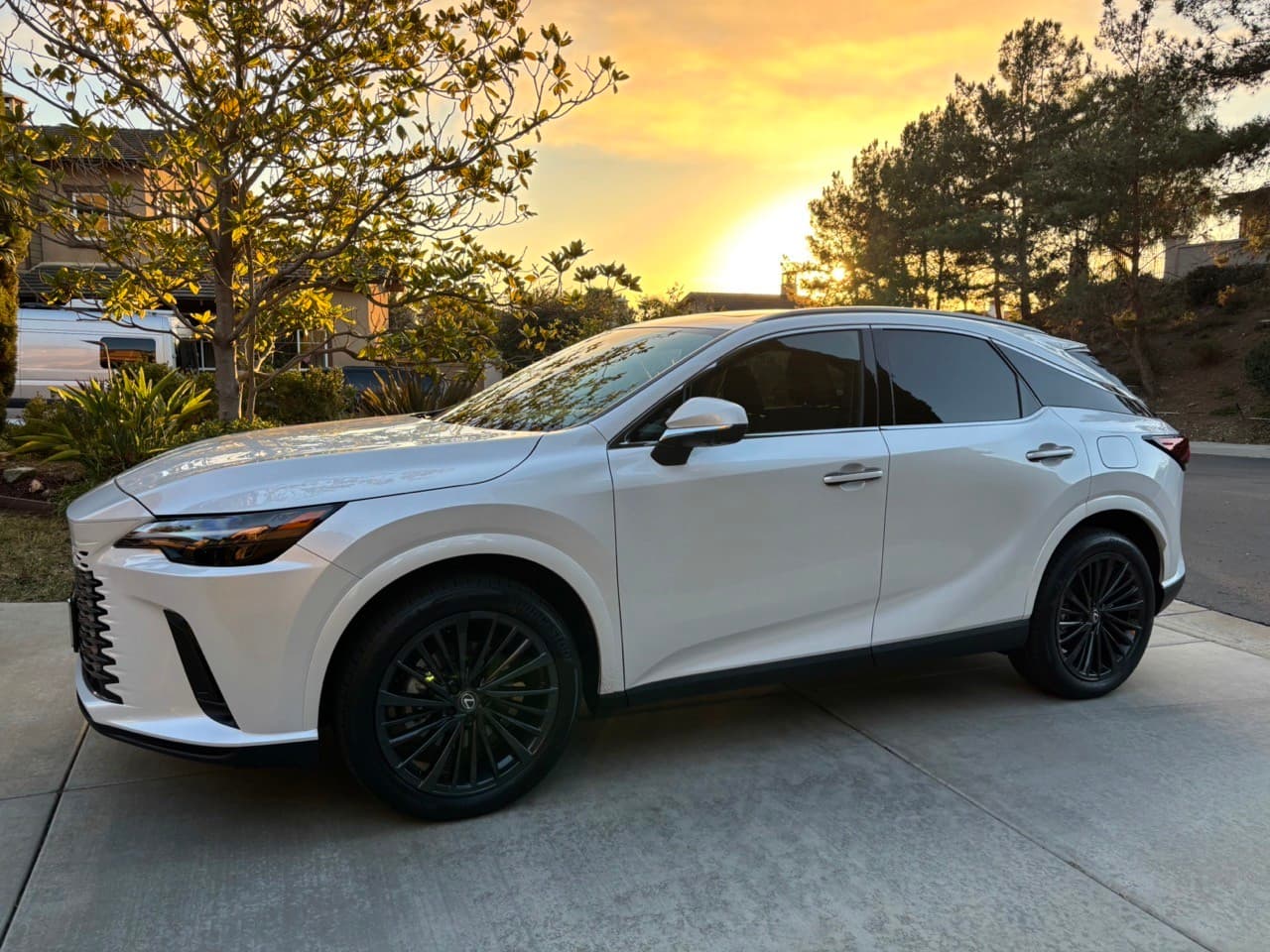
A car broker is licensed to represent buyers in vehicle purchases and leases. In California that representation carries a fiduciary obligation. A dealership sells you a car it holds. A broker is retained by you to find one, negotiate it, and manage the transaction through delivery. Whether you buy a car outright or lease a car, the broker works the same way.
When you walk into a dealership, every person in that building has a defined set of interests. The salesperson works for the dealer. The finance manager works for the dealer. The dealer works for the manufacturer whose vehicles sit on the lot.
A car broker changes that equation. Not by removing the dealership from the transaction, but by putting someone on your side of it.
What a Car Broker Actually Is
A car broker is a licensed professional who represents buyers in vehicle purchases and leases. The job is to identify the right vehicle, evaluate the deal, negotiate on the buyer’s behalf, and manage the transaction from search through delivery, on a new car or a used car, purchase or lease.
The closest familiar comparison is a real estate agent representing a buyer. That agent does not own the homes on the market. They survey what is available, apply judgment the client does not have, and act in the client’s interest. A car broker works the same way.
A broker is not in the business of moving inventory. A broker is in the business of representing you.
Auto Broker vs. Dealership: The Practical Difference
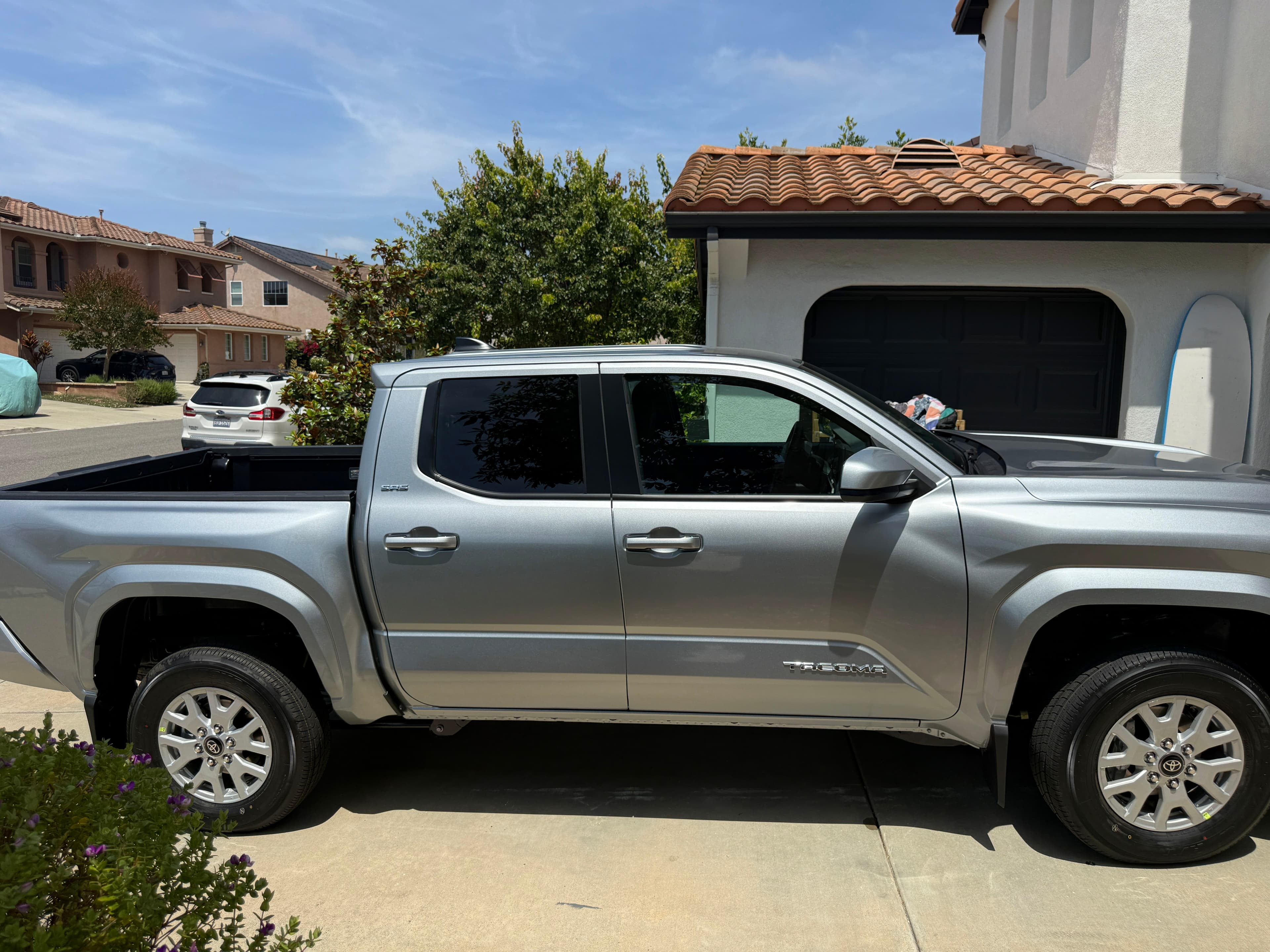
People deciding between a broker or a dealer usually want to know what’s the difference in practice. A California auto broker holds the same dealer license a dealership holds, with an autobroker endorsement added. The credential is nearly identical. What differs is what the business is organized around, and brokers and dealers work very differently once the transaction starts.
| Auto broker | Dealership | |
|---|---|---|
| Who they represent | The buyer, under a written agreement | The dealership and its manufacturer |
| Where the vehicle comes from | Any dealership in the broker’s network | The lot, or the manufacturer’s allocation |
| Who negotiates | The broker, across multiple dealers | You, against one store |
| How they are paid | A flat client fee, plus dealer compensation that varies by transaction | Commission tied to the specific deal and the specific store |
| Inventory pressure | None. There is nothing on a lot that benefits from the recommendation | Real. Aging units and allocation targets shape what gets offered |
| Test drive | Arranged at a dealership, same as any buyer | On site |
| Finance and insurance office | Broker reviews the terms and the products before signing | You evaluate them alone, at the end of a long day |
| What is disclosed in writing | Fee structure and dealer compensation, in the brokering agreement | The purchase contract |
A dealership’s economics run through a specific set of cars. That is not a criticism. It is what a dealership is. But it means the question a dealership is built to answer is which of these vehicles is right for you. A broker has no inventory to move, so the work is looking across the market instead of within it.
The inventory question
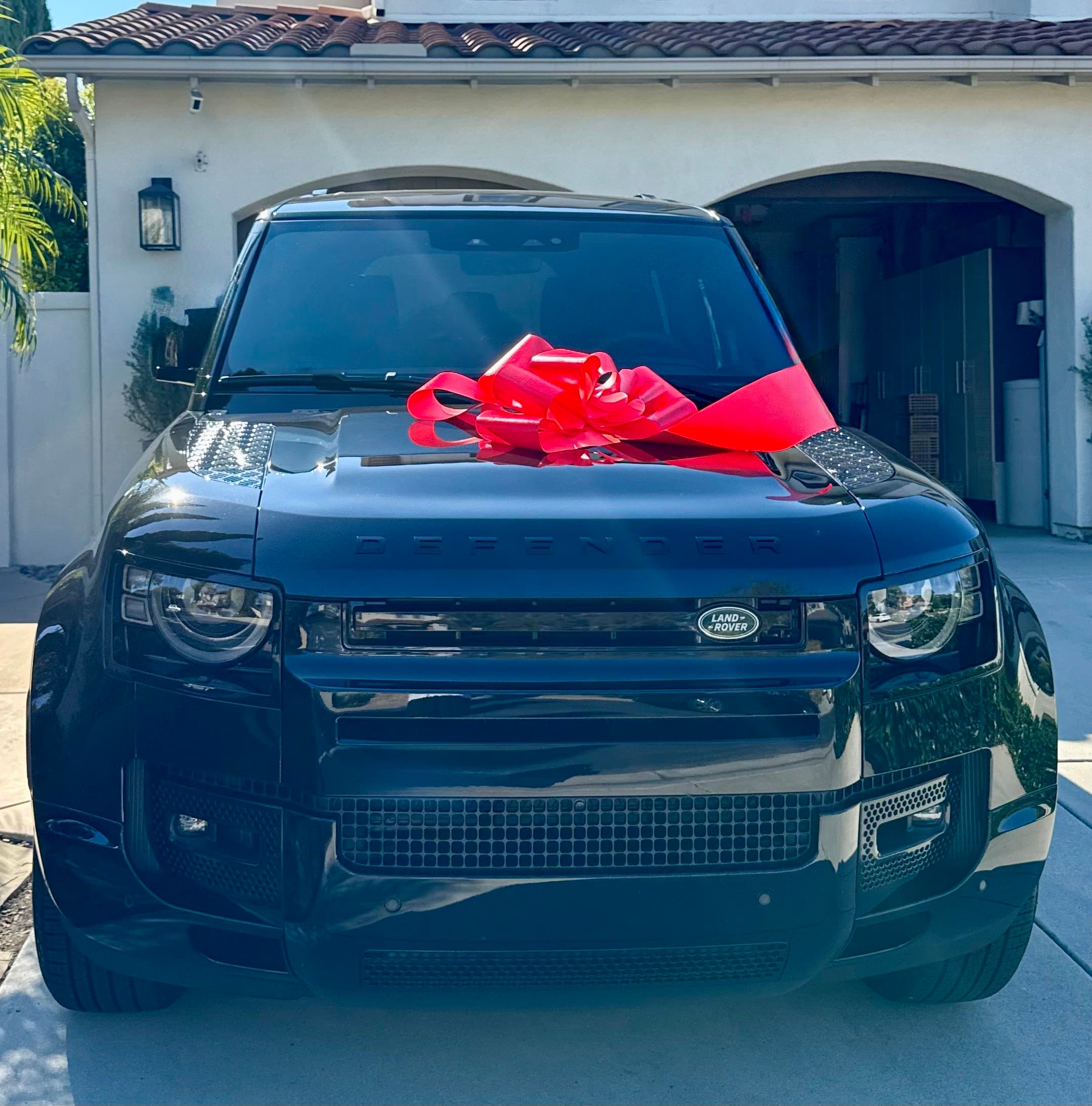
A common assumption is that auto brokers cannot hold inventory. They can. California law does not prohibit a licensed broker from also maintaining vehicles for sale.
CarOracle chooses not to. A broker with inventory has a financial interest in moving what they own. Even with the best intentions, that creates a pull toward vehicles on hand rather than vehicles that fit the client.
Are Car Brokers Worth It?
It depends on what you are buying and what your time is worth. The honest answer has two parts, and most of the industry only tells you the first one.
A broker is worth it when the vehicle is hard, the deal is complex, or your time is expensive. A specific trim and color combination that is not on any local lot. A lease where the money factor, residual, and incentive stack determine the payment more than the price does. A trade-in with financed negative equity. A certified pre-owned warranty whose terms are worth reading before you sign. These are situations where the outcome turns on structure, and structure is where an experienced broker earns the broker fee.
A broker is worth less when the car is a commodity and you enjoy the process. If you want a high-volume new car with public incentives, and you are a patient negotiator with time on a Saturday, you can get a good deal on your own. Not every buyer needs to use a broker. Salespeople on public forums say this plainly, and they are right.
The useful question is not whether a broker saves money in the abstract. It is whether you are confident structuring the deal yourself, and what the hours are worth to you. Buying a car is the second-largest financial decision most households make, and the parts that cost people money are rarely the sticker price.
Where a dealership is the better choice
If you have already found the specific vehicle you want, at a specific store, on terms you understand, there is not much left for a broker to add. If speed matters more than structure, a dealership’s internet department will move faster. And a good dealership experience is a good outcome. Most transactions run through one either way, including every transaction CarOracle handles through our auto buying program.
How a Car Broker Is Compensated
This is where most people get stuck, and it is a fair question. If the selling dealer pays the broker, how is the broker on your side?
The insurance model answers it. Most Americans who carry auto, homeowners, or business coverage did not buy directly from the insurer. They worked with a licensed auto broker who surveyed multiple carriers and made a recommendation. The carrier compensates that broker. Nobody finds this suspicious, because the broker’s obligation runs to the client regardless of who writes the check.
So the real estate parallel explains who a broker represents. The insurance parallel explains why being paid by the other side does not change that.
California goes further than convention here. Vehicle Code Section 11735(e) provides that a licensee brokering a vehicle transaction owes a fiduciary duty of utmost care, integrity, honesty, and loyalty to the party it represents. The statute permits that party to be the buyer, the selling dealer, or both. That is not a marketing claim. It is a legal obligation enforceable by the state, and it applies regardless of where the compensation originates. CarOracle is retained by buyers.
CarOracle charges a flat client fee, disclosed before you engage. Brokers who charge a flat fee are easier to evaluate than those who do not, because the number does not change based on which dealership the vehicle comes from or how expensive the car is. The fee is higher on certified pre-owned vehicles than on new, reflecting a practical reality: dealer compensation on those transactions is often minimal or absent. CarOracle may also receive compensation from the selling dealer. That amount varies by transaction, is not present on every deal, and is disclosed in the written brokering agreement.
Compare that to a salesperson, whose compensation is tied to the outcome of the specific deal in front of them, at the specific store they work for. A broker’s flat fee does not move based on where the car is sourced, and dealer compensation is unpredictable enough that it cannot function as a reason to steer anyone anywhere.
This is worth applying to any broker you evaluate. One with no client fee and no transparency about dealer compensation is not necessarily working against you, but the incentive structure is worth understanding before you engage. For detail on what representation costs, see How Much Does a Car Broker Cost in California?
How California Defines the Role
In California, auto broker is not a marketing description or a self-appointed title. It is a designation issued by the Department of Motor Vehicles.
A dealer must first hold a valid retail dealer license, then apply separately for an autobroker’s endorsement. That endorsement cannot exist independently. If the dealer license is cancelled, suspended, or revoked, the endorsement is cancelled with it. Every brokered deal must be recorded in a DMV-issued autobroker’s log that the state can inspect at any time.
This differs meaningfully from states where the term broker is used loosely and buyer protections vary. When you work with a California-licensed auto broker, you are working with someone the state holds accountable.
What a Broker Knows That Is Not Published
Research tells you what a vehicle should cost. It does not tell you which dealership will actually do that deal this week.
Brokers transact with multiple dealers constantly, and that produces knowledge that exists in no public source: which stores operate transparently, which will agree to a number and then add charges at signing, which have the management relationships to accommodate a client. Personnel changes move that picture in both directions. A store that was difficult two years ago may have new management today.
Pricing moves the same way, week to week and store to store, for reasons that never get written down. A sales target. A unit someone wants gone. An allocation that just landed. Dealers receive holdback and volume incentives that never appear on an invoice, which is part of why the same car carries different flexibility at different stores, and why the strongest lease offer on a given car this week may not be at the store nearest you.
The network creates practical advantages too. A client who needs the dealer to hold the car for a few days before delivery is asking a salesperson with little authority and no particular reason to accommodate. The same request through an established contact at the right level is a different conversation.
What the Data Shows
Buying a car takes real time regardless of how well it goes. According to Cox Automotive’s 2025 Car Buyer Journey Study, the average new vehicle buyer spends nearly 12 hours researching, visiting dealerships, and finalizing the transaction. Used car buyers spend closer to 13. That time does not guarantee a good outcome.
A LendingTree survey of nearly 2,000 car owners found that nearly half of people who bought a vehicle in the past year had regrets. The most common were choosing the wrong make or model, buying a vehicle they could not comfortably afford, and not shopping around. Regret was highest among recent buyers and declined for people who had owned their vehicles six or more years. Experience reduces regret, which is precisely what a broker brings to someone’s first or second transaction.
The stakes have risen alongside the complexity. Cox Automotive’s 2025 Consumer Market Update found that 62% of consumers believe owning or leasing a vehicle is becoming too expensive. LendingTree adds a sharper point: 28% of buyers earning $100,000 or more report difficulty covering their monthly car payment. High income does not protect against a poorly structured deal.
What a Car Broker Is Not
The term is used loosely, so the distinctions matter.
Referral platforms like Costco Auto Program and TrueCar connect buyers with participating dealerships and may surface pre-negotiated pricing. They do not represent the buyer. The dealer remains the seller, and the buyer is still alone at negotiation, financing, and signing.
A dealership salesperson is not a broker. Their obligation runs to the dealer.
An operator calling themselves a broker without a California dealer license is outside the framework entirely. No fiduciary obligation, no DMV oversight, no autobroker’s log.
The Honest Summary
A car broker is a licensed professional who represents buyers in one of the largest financial transactions most households make. In California that representation carries a legal fiduciary obligation, state licensing, and regulatory oversight that does not apply to dealership employees or referral platforms.
The broker does not replace the dealership. They change who is advocating for you when you walk into one.
If you are considering a vehicle purchase or lease in California, schedule a complimentary consultation with CarOracle. The conversation takes 15 minutes.
CarOracle® is a California licensed motor vehicle dealer with an autobroker’s endorsement, License No. 43082, serving clients throughout California. You can verify our license through the DMV’s Occupational License Lookup.