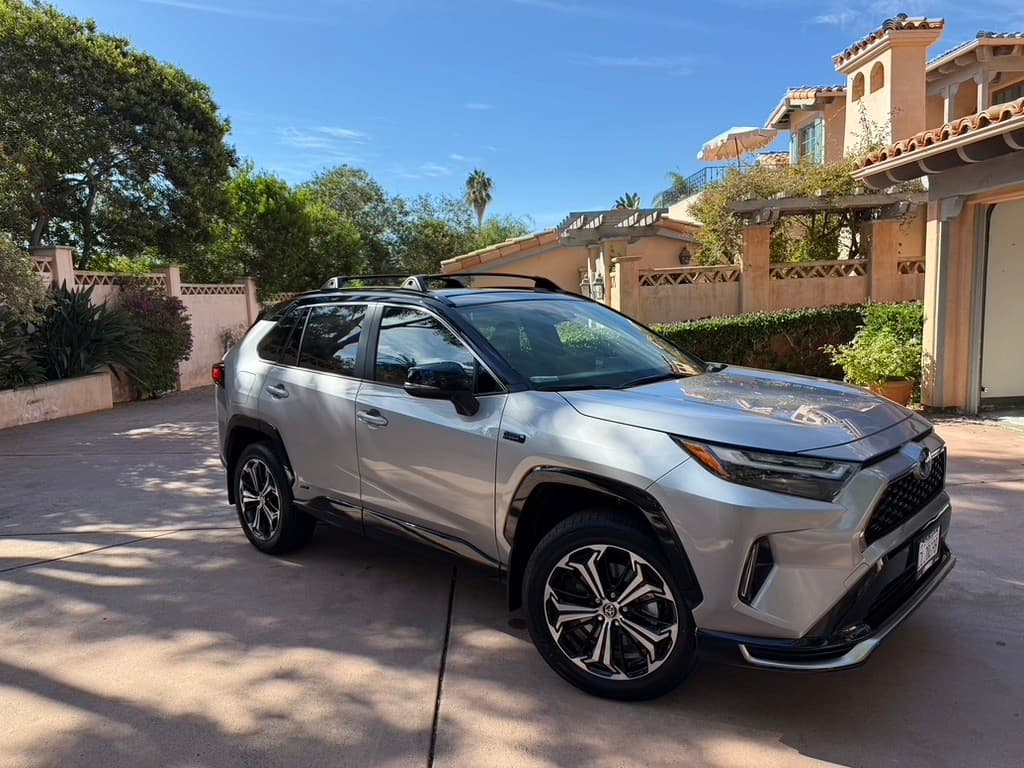
Getting the keys is the fun part. The weeks that follow matter more than most buyers realize, and a few simple steps early on can make a meaningful difference in how well the vehicle holds up over time.
This is what we send CarOracle clients after delivery.
Get Oriented While the Car Is Parked
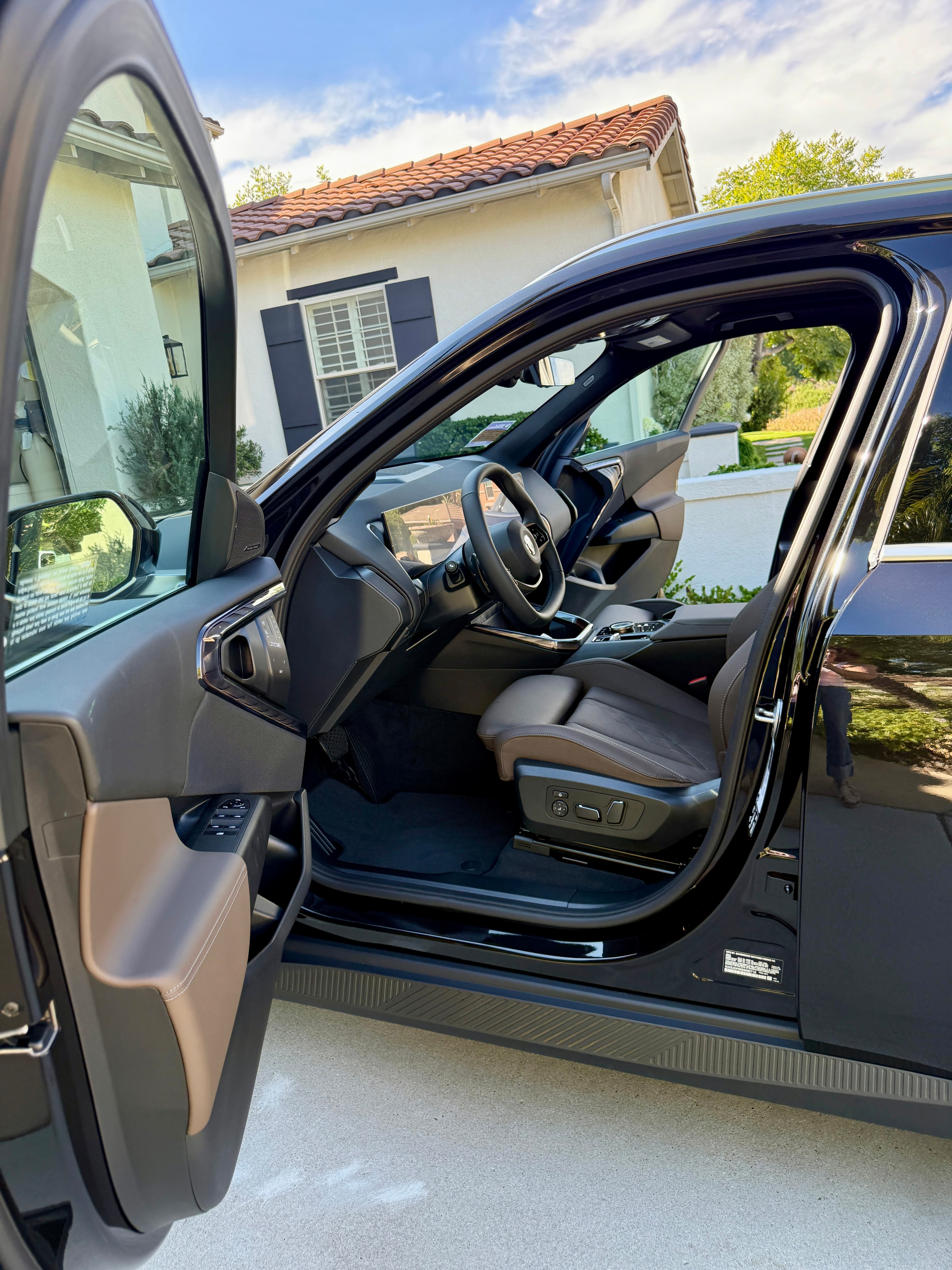
The most useful 20 minutes you can spend with a new car happens before you leave the driveway.
Modern vehicles have moved a significant number of controls into touchscreen menus: climate, seat heat, mirror adjustment, drive modes, and in some cases even volume. Research from the AAA Foundation for Traffic Safety found that complex infotainment tasks can distract a driver for more than 40 seconds. At 25 mph, that is the length of four football fields.
Before your first drive, locate the controls you will use most often and practice reaching them without looking. Climate is the common one. So are the wiper controls. Find where your drive mode selector lives, where the seat heat buttons are, and how your audio and navigation interact. None of this takes long, but doing it while parked means you are not doing it at 70 mph on the freeway.
A regulatory note worth knowing: starting in 2026, Euro NCAP began requiring physical buttons for turn signals, wipers, hazard lights, horn, and emergency calling as part of its five-star safety rating criteria. The reasoning is that physical controls allow blind operation through muscle memory. If your vehicle has these functions buried in a touchscreen, that is a real limitation worth understanding before you are in traffic.
Read the Owner's Manual: Not Cover to Cover, but These Sections
Most buyers set the manual in the glovebox and never open it. That is a mistake, because several sections contain information that directly affects your warranty coverage and the long-term health of the powertrain.
The maintenance schedule. Every manual includes both a normal service schedule and a severe service schedule. The severe classification applies to more drivers than most people realize: repeated short trips under five miles, sustained stop-and-go driving, operation in extreme heat, extended idling, and towing. If your daily driving pattern fits that description, your oil change interval and other service intervals are shorter than the headline number you have heard. Ignoring this distinction does not void the warranty outright, but it can give the manufacturer grounds to deny a powertrain claim if they can show maintenance was inadequate for actual operating conditions.
The oil specification. This is not the same as "full synthetic." Your manual will list a specific viscosity and often a specific OEM approval code: BMW LL-01 or LL-04, VW 504.00 or 507.00, Mercedes-Benz 229.5 or 229.51, GM Dexos 1 Gen 3. These approvals require additive packages and performance thresholds that a generic full synthetic may not meet. Using the wrong oil in a turbocharged or GDI engine is not a theoretical risk. The API SP standard was developed specifically to address Low-Speed Pre-Ignition (LSPI), a phenomenon where the oil-fuel mixture ignites before the spark plug fires and can shatter pistons and bend connecting rods. OEM-specific approvals go further than API baseline standards. Know what your vehicle requires. This is also reinforces why we recommend clients use a dealer or an independent shop that is very familiar with your brand.
Powertrain-specific sections. If you have a turbocharged engine, the manual may note mandatory cool-down periods after sustained high-load driving. If you have a hybrid or PHEV, it will cover the high-voltage battery cooling system and what happens if the combustion engine sits dormant for extended periods. If you have a GDI engine, it may specify Top Tier fuel to reduce carbon buildup on intake valves. These are not generic reminders. They are engineering requirements.
Most manufacturers now offer digital manuals and mobile apps that make this content searchable and easier to navigate than the printed version:
- BMW: bmwusa.com/owners-manuals.html
- Toyota: toyota.com/owners/warranty-owners-manuals
- Ford: ford.com/support/owner-manuals-details
- Mercedes-Benz: mbusa.com/en/owners
- Hyundai: webmanual.hyundai.com
- Kia: owners.kia.com
- Subaru: subaru.com/owners.html
ADAS: Learn What Your Safety Systems Actually Do
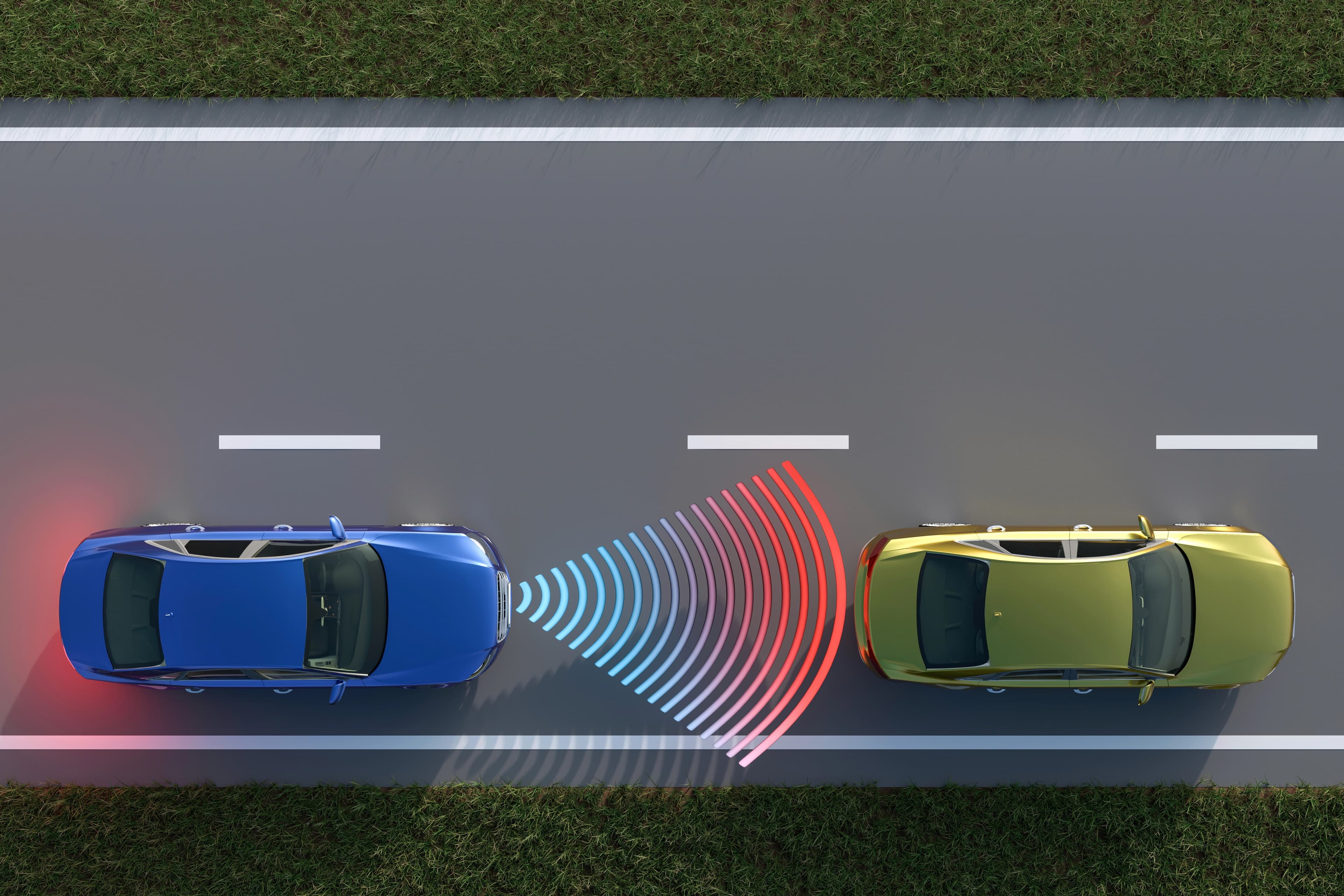
ADAS stands for Advanced Driver Assistance Systems. It is the collective term for the suite of electronic safety and convenience technologies now standard or near-standard on most new vehicles: adaptive cruise control, lane keep assist, automatic emergency braking, blind spot monitoring, and rear cross-traffic alert, among others. You may know these by their brand names: Toyota Safety Sense, Honda Sensing, Subaru EyeSight, Ford Co-Pilot360, Hyundai SmartSense. They are all variations of the same category of technology.
Most new owners use these systems before they fully understand them. The gap between how they are marketed and how they actually behave in real-world conditions is significant. The IIHS has documented the risk of automation complacency, where drivers over-rely on systems that are designed to support attention, not replace it.
A few distinctions worth knowing before you use these features in traffic:
Lane Keep Assist vs. Lane Centering. Lane Keep Assist is reactive. It intervenes only as the vehicle approaches or crosses a lane marker, often producing a ping-pong effect within the lane. Lane Centering is proactive. It continuously adjusts steering to keep the vehicle in the center of the lane. These are different systems with different behaviors. Many vehicles offer both, sometimes on different trim levels or under different names.
Adaptive Cruise Control. It maintains following distance, but it can fail to detect stopped vehicles at highway speeds, motorcycles with small radar signatures, and vehicles that cut in at close range. It is a support tool, not a replacement for attention.
Automatic Emergency Braking. Most effective below 40 mph. Performance degrades meaningfully in low-light and inclement weather.
Blind Spot Monitoring. Radar sensors can be blocked by heavy rain, mud, or trailer hitches. It does not detect vehicles approaching at very high relative speeds.
Every major OEM has published tutorial videos for their ADAS stack. Watch these before you rely on the systems in traffic. This is not optional if you want to use the technology safely:
- Subaru EyeSight: youtube.com/watch?v=1KuztmO1Pw4
- Honda Sensing: hondainfocenter.com
- Ford Co-Pilot360: youtube.com/watch?v=ibCB9Nx4iXk
- BMW Driver Assistance: youtube.com/watch?v=GM-xBQ7MWOE
- Hyundai SmartSense: hyundai.news
- Mercedes-Benz: mbusa.com/en/owners/videos
- Volkswagen/Audi: youtube.com/watch?v=bEebBfQPFrU
Our specific recommendation: plan a deliberate highway drive in the first week during off-peak hours with the express purpose of learning how your ADAS systems behave. Understand when they hand off control, what alerts they give, and under what conditions they disengage. Do this in low-traffic conditions before you need the systems in heavy traffic.
Maintenance: Where You Service the Car Matters
The Magnuson-Moss Warranty Act is a federal law that most car owners do not know exists. It prohibits manufacturers from requiring you to use their dealership for routine maintenance as a condition of maintaining your warranty. You can take your vehicle to any qualified shop without voiding coverage. The manufacturer can only require dealer-only service if they provide that service free of charge.
What this means in practice: keep complete service records regardless of where you have the work done. Every receipt and maintenance record should specify the parts used, the oil specification, and the date and mileage. If a warranty claim is ever disputed, this will be beneficial to have and prove that maintenance wasn't neglected.
That said, where you service a modern vehicle matters in ways that go beyond warranty compliance.
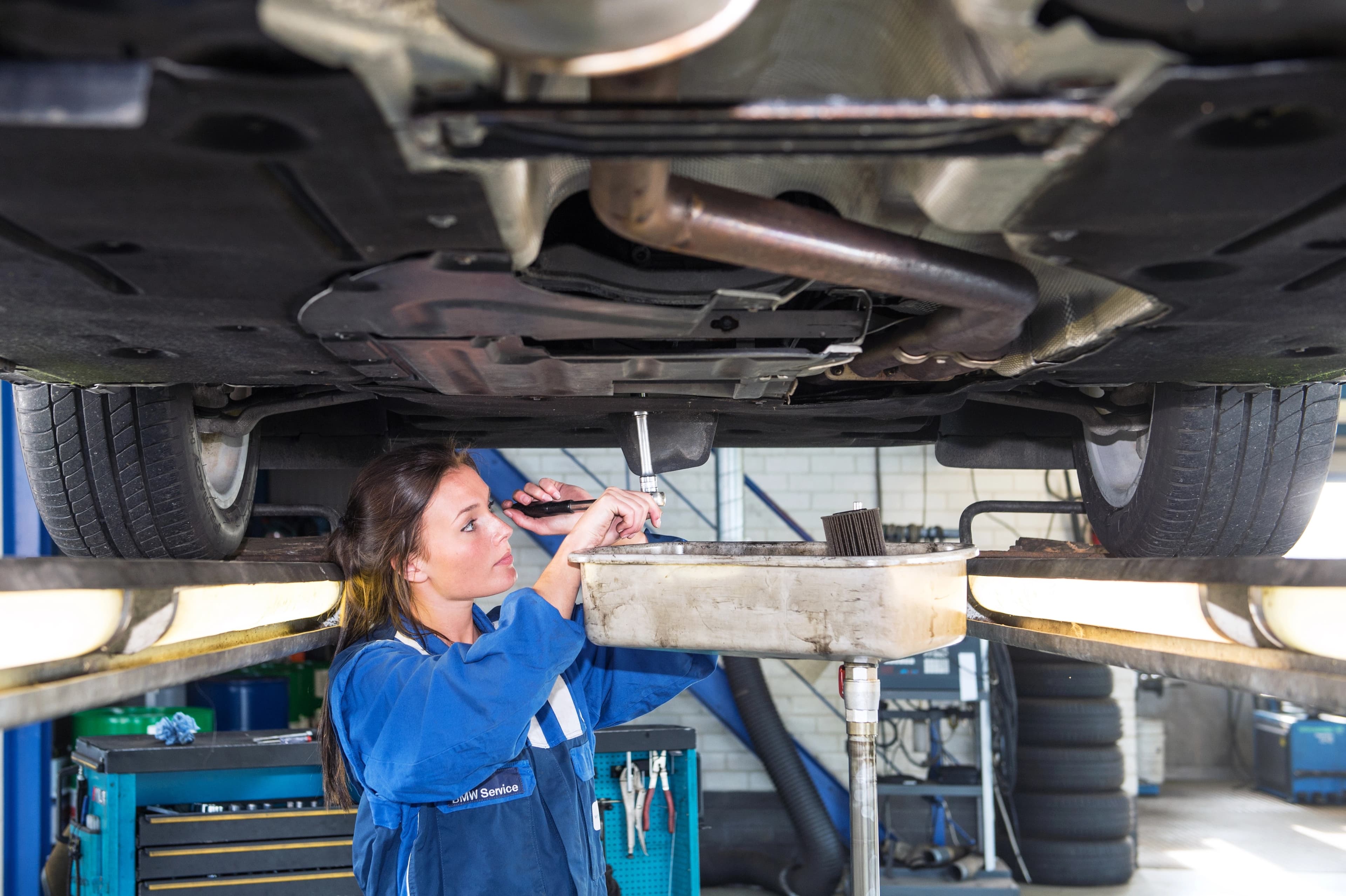
High-volume quick-lube chains are convenient, but they don't have time to understand the particulars of each brand or model of vehicle. The technicians changing your oil are not mechanics trained on your vehicle's systems. Common documented problems include using a generic oil that lacks the OEM-required additive package, improper torque on drain plugs and oil filters, and unfamiliarity with plastic oil pans and the specific procedures some European and hybrid vehicles require. An improperly installed drain plug that causes sudden oil loss is not covered by your manufacturer's warranty under any circumstances.
Our recommendation: service your vehicle at a dealer that sells and services your brand, or an independent shop with deep experience in that make. Either option ensures the technicians working on your car are familiar with its specific requirements. Whatever you choose, verify that the shop uses the oil specification your vehicle requires, not just any full synthetic.
One recommendation we make to every client regardless of what the owner's manual says: do not go beyond 5,000 miles between oil changes. The extended intervals OEMs publish, often 7,500 to 10,000 miles, assume ideal driving conditions that most owners in Southern California do not meet. Sludge buildup is a real and growing problem, and mechanics are increasingly seeing engine issues emerge between 60,000 and 80,000 miles that trace back to extended intervals and oil degradation. More frequent changes are inexpensive insurance against a repair that is not. If you want the best chance at a long engine life, change the oil more often than the manual requires, use the correct full synthetic specification for your vehicle, and keep every receipt.
Tire Pressure: The TPMS Warning Light Is Not the Standard
Your vehicle's Tire Pressure Monitoring System is a safety floor, not a maintenance target.
Federal Motor Vehicle Safety Standard 138 requires the TPMS warning light to illuminate when a tire is 25% or more under-inflated. For a vehicle with a recommended pressure of 35 PSI, the warning may not come on until the tire reaches approximately 26 PSI. At that point, the tire is already experiencing increased rolling resistance, accelerated shoulder wear, and compromised handling in emergency maneuvers.
Check tire pressure manually once a month and after any significant temperature change. Tires naturally lose approximately 1 PSI per month as air permeates through the rubber, and cold weather accelerates this: pressure drops roughly 1 PSI for every 10-degree Fahrenheit decrease in ambient temperature.
Some shops fill tires with nitrogen rather than compressed air, which permeates through rubber more slowly and can extend the interval between pressure loss. Costco Tire uses nitrogen as a standard practice, and members can have tires topped off there. That said, nitrogen does not eliminate pressure loss, and regular checks remain necessary regardless.
The best time to check is in the morning before the car has been driven. Tires heat up from road friction during driving, which temporarily increases pressure and can produce a false reading.
One item easy to overlook: if your vehicle came with a spare tire, check its pressure as well. A spare that has been sitting in the trunk for months may have lost significant pressure, which is not something you want to discover at the side of the road. Many new vehicles no longer include a spare at all, supplying a tire repair kit instead. Check your owner's manual to confirm what your vehicle carries and familiarize yourself with how to use it before you need it.
Also, the correct pressure specification is on the placard located on the driver's side door jamb, not on the tire sidewall. The number on the sidewall is the structural maximum for the tire itself, not the recommended operating pressure for your vehicle. These are different numbers. Use the door jamb.
Car Washes: Avoid Bristle Automated Washes

Bristle-style automated car washes, the kind with spinning brushes or heavy cloth strips, can trap grit and road debris from the previous vehicle that passed through. That debris becomes an abrasive medium applied directly to your paint. Over time, this creates swirl marks: millions of microscopic scratches that scatter light and progressively dull the finish. The damage is cumulative and permanent.
Touchless automated washes avoid physical abrasion but use highly alkaline or acidic detergents to compensate. Occasional use is fine. Frequent touchless washing over time can strip sealants and degrade UV inhibitors in the clear coat.
The best options are a two-bucket hand wash or a quality hand-wash service. If automated is the only practical choice, touchless is the lesser risk compared to bristle.
Window Tint: Consider Ceramic, and Know California's Law
If you are planning to add window tint, do it early and choose ceramic film.
Conventional dyed films absorb heat and can fade over time. Ceramic films use nano-ceramic particles that reject up to 99% of infrared radiation, which is the primary source of cabin heat, and up to 99.9% of UV rays. Because ceramic films are non-metallic, they do not interfere with cellular signals, GPS, or the vehicle's built-in Wi-Fi antennas, which metallic films can affect.
California law governs window tint by window position. The limits that matter most for the front of the vehicle:
- Front windshield: Tint is permitted only on the top four inches, above the AS-1 line, and must be non-reflective.
- Front side windows: The combined VLT (visible light transmission) of the film and the factory glass must be at least 70%.
- Rear side windows and rear windshield: No restriction on darkness, provided the vehicle has dual exterior mirrors.
The combined VLT rule is the one most buyers misunderstand. Factory glass typically has a VLT of approximately 88%. Adding a 70% film to that glass produces a combined VLT of roughly 61%, which is illegal. For front windows, you need a clear or near-clear ceramic film, typically 80% VLT or higher, to stay legal while still getting meaningful heat rejection. A reputable installer will know this. Ask specifically about combined VLT compliance before you commit.
Sources: California window tint law 2026, rapidwindowtinting.com
Paint Protection Film: What It Covers and Whether It Makes Sense for You
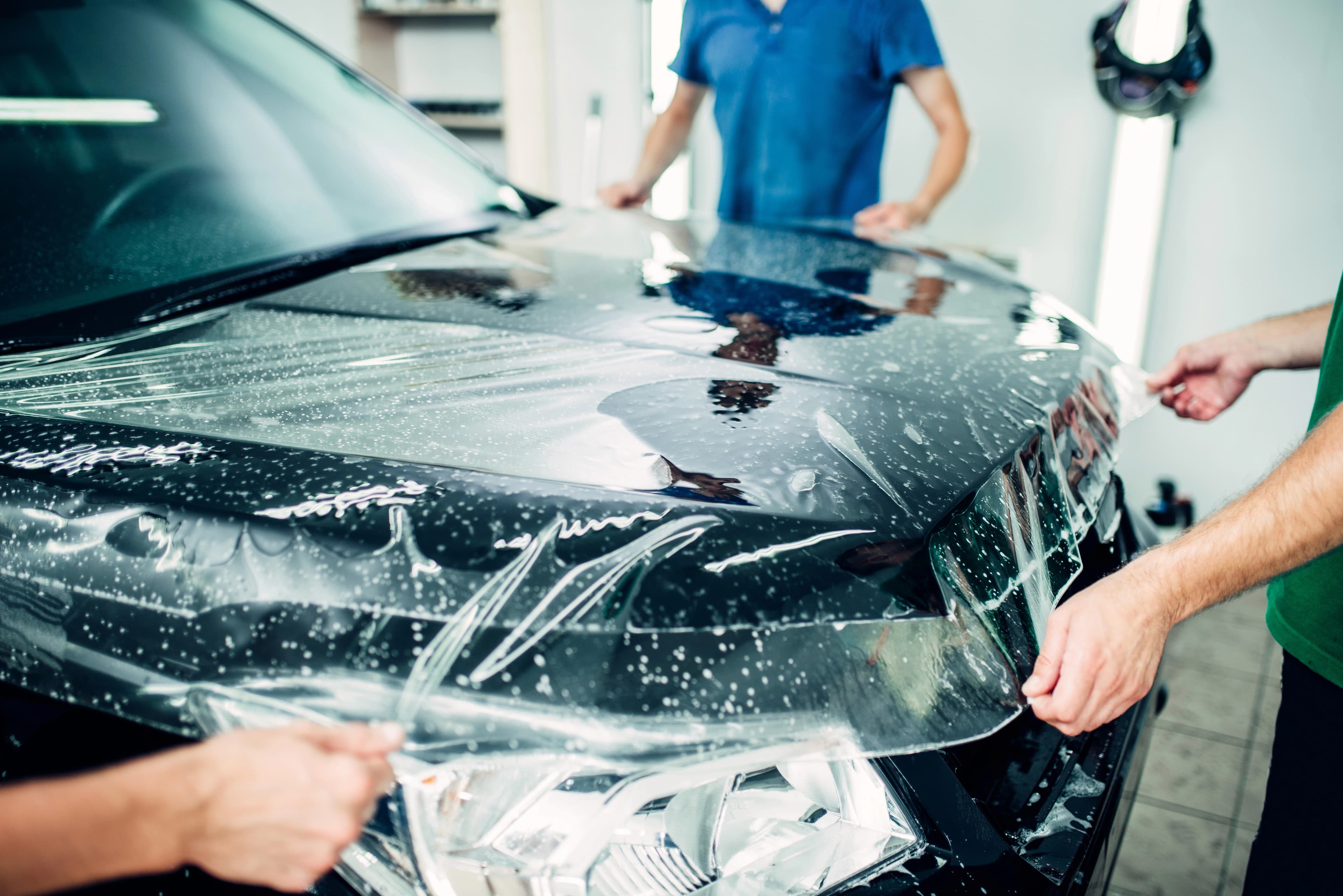
Paint Protection Film (PPF) is a thermoplastic polyurethane film applied directly to painted surfaces. It is the only effective defense against stone chips and kinetic impacts on high-traffic areas of the vehicle. Clear coat does not prevent chips. Ceramic coating does not prevent chips. PPF does.
Whether it makes sense depends on where and how you drive. If you regularly drive on highways with heavy truck traffic, mountain roads, or construction zones, the front of your vehicle accumulates chips quickly. If you drive primarily in urban environments at lower speeds, the case is less urgent. Southern California freeway driving, where debris from trucks is common, generally supports the investment.
The most cost-effective application covers the high-impact zones: the full hood, front bumper, front fenders, and mirror caps. These areas receive the majority of road debris impacts. A full-body wrap is available but significantly more expensive and not necessary for most buyers.
Modern PPF from brands like XPEL, 3M, and STEK includes a self-healing top coat: an elastomeric polymer that, when scratched, returns to its original form when heat is applied. This handles light surface scratches and swirl marks on the film itself. It does not repair deep cuts or impacts that penetrate the film.
Timing matters. PPF should be applied as soon as possible after delivery, before significant highway driving accumulates stone chips on the surfaces you are trying to protect. Ask any installer whether they use pre-cut templates or custom installs, and ask to see examples of their work on the same paint color as your vehicle. Edge wrapping, where the film wraps under trim rather than stopping at the panel edge, is the mark of a quality install.
Two Administrative Items Worth Handling Early
GAP protection. If you financed with a small down payment, there is likely a period early in ownership when you owe more on the loan than the vehicle's current market value. GAP coverage pays the difference between what your insurance pays in a total loss and what you still owe the lender. It can be added through your auto insurer, often at significantly lower cost than through the dealer at signing. If you did not add it at closing and you are in a financed position, ask your insurer about it now.
California Lemon Law documentation. If your vehicle develops a recurring defect, California's Lemon Law entitles you to a replacement or refund if the manufacturer cannot repair a nonconformity after a reasonable number of attempts, generally four attempts for the same issue, or two for a serious safety defect, or 30 total days out of service within the first 18 months or 18,000 miles. The cornerstone of any Lemon Law claim is documentation. Keep every dealer visit record from day one, including dates, mileage, complaints stated, and work performed. Source: California Department of Consumer Affairs
Frequently Asked Questions
Does taking my car to an independent shop void the warranty?
No. The Magnuson-Moss Warranty Act prohibits manufacturers from requiring dealer-only service as a condition of warranty coverage, unless the dealer provides that service free of charge. The key is keeping complete records that document the parts and oil specification used at every service. Source: FTC Businessperson's Guide to Federal Warranty Law
What is the difference between normal and severe service schedules?
Severe service applies when the vehicle is regularly driven on short trips under five miles, in sustained stop-and-go traffic, in extreme heat, with extended idling, or while towing. Many metropolitan driving patterns qualify. Under severe service, oil change intervals and other maintenance intervals are shorter, often roughly half the normal schedule. Your owner's manual specifies the triggers for your vehicle.
Does my oil change interval depend on the type of oil used?
Yes. Most manufacturers recommending 10,000-mile intervals specify full synthetic oil meeting their specific OEM approval code, not just any full synthetic. Using a synthetic blend at a 10,000-mile interval is outside what the manufacturer designed for. Consult your owner's manual for the required specification and approval code before every oil change.
Is ceramic window tint worth the price premium over conventional film?
For Southern California, yes. Ceramic film rejects significantly more heat than dyed or carbon film, does not interfere with electronic signals, and does not fade or turn purple over time. The price difference between conventional and ceramic is typically modest relative to the long-term performance gap.
What does PPF actually protect against that ceramic coating does not?
PPF protects against kinetic impact: stone chips, road debris, and minor abrasions. Ceramic coating protects against chemical contamination, UV oxidation, and makes the surface easier to clean. They serve different functions. Ceramic coating applied over PPF is a common combination that addresses both.
When should I check my tire pressure?
At least once a month, and after any significant temperature change. Cold weather drops pressure approximately 1 PSI for every 10-degree Fahrenheit drop in temperature. Always use the pressure specification on the driver's side door jamb placard, not the number on the tire sidewall. The TPMS warning light does not trigger until a tire is 25% or more under-inflated, which is well past the point where performance and wear are already affected. Source: NHTSA FMVSS 138
What ADAS systems should I learn first?
Adaptive cruise control and lane keep assist are the two most commonly misused because they require the least interaction to activate and create the most significant complacency risk. Learn their disengagement behavior, their failure conditions, and what physical feedback they provide when they can no longer maintain control. Your OEM's tutorial video library is the right starting point.
Andrea Nanigian is a co-founder and principal of CarOracle, a California-licensed auto broker (License #43082) based in Carlsbad, California. CarOracle provides buyer-side representation for vehicle purchases and leases across San Diego, Orange County, Los Angeles, Riverside County, the Bay Area, and Sacramento.
If you are still in the process of selecting a vehicle and want representation from a California-licensed auto broker, visit our Auto Buying Program or schedule a consultation.